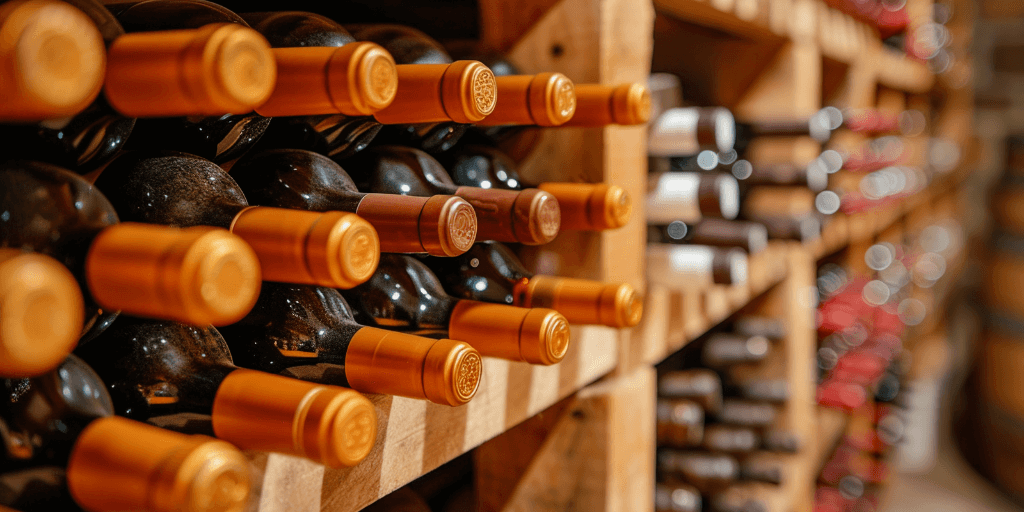
At our vineyard, the process of bottling wine by hand is a cherished tradition rooted in craftsmanship and attention to detail. Unlike automated systems, hand-bottling allows us to maintain the integrity, quality, and character of every bottle we produce. This meticulous approach reflects our commitment to excellence and respect for the art of winemaking. In this blog post, we will take you through the step-by-step process of how we bottle our wine by hand, emphasizing the care and precision involved at every stage. Whether you’re a wine enthusiast or simply curious about artisanal methods, understanding this process highlights the dedication that goes into each bottle.
Preparing the Bottles and Equipment
Before the actual bottling begins, thorough preparation is essential to ensure that each bottle is clean, sanitized, and ready to hold our wine safely. We start by carefully inspecting all bottles for any defects or impurities. Every bottle must be spotless to prevent spoilage or contamination. We use specialized cleaning solutions and rinsing techniques to eliminate dust, residues, or bacteria. Sanitization is critical; it involves soaking bottles in a food-grade sanitizer that kills any lingering microbes without leaving harmful residues. After drying thoroughly, bottles are stored upright until needed to avoid dust settling inside. Proper preparation guarantees that each bottle maintains the quality of our wine from start to finish.
- Inspect all bottles for cracks or defects before cleaning
- Use commercial-grade sanitizers specifically designed for glassware
- Rinse bottles thoroughly with clean water after sanitizing
- Store bottles upright in a clean environment until bottling day
- Check equipment such as corkers and fill pipes for cleanliness and functionality
This meticulous preparation stage ensures that every bottle is primed for filling, which is fundamental in preserving flavor and preventing spoilage throughout the aging process.
The Filling Process: Precision in Every Pour
Filling each bottle with precise measurements is one of the most critical steps when bottling wine by hand. We employ manual filling tools like gravity-fed siphons or hand-operated fillers that allow us to control the flow meticulously. This careful approach prevents overfilling or underfilling, which could compromise both aesthetics and quality. During filling, we pay close attention to avoid introducing air bubbles or sediments into the bottle. Both of these can negatively impact taste and clarity. Our team works patiently to ensure consistency across batches while maintaining a gentle touch so as not to disturb the delicate layers of wine inside. The goal here is accuracy combined with gentleness; each bottle receives just the right amount of wine while preserving its integrity.
- Use calibrated manual fillers for consistent volume control
- Fill bottles slowly to reduce agitation and sediment disturbance
- Leave appropriate headspace (usually about 1 inch) for corking
- Check each fill visually for bubbles or spills before moving on
- Maintain steady hands and focus on precision during this delicate task
This part of the process demands patience and skill but rewards us with uniformity and high-quality presentation—a testament to our handcrafted philosophy.
Corking and Sealing: Securing Our Wine
Once bottles are filled, sealing them securely is vital in protecting our wine from oxygen exposure and external contaminants. We use traditional corks combined with hand-operated corking tools designed for gentle yet firm insertion. The corking process requires tactile sensitivity; pressing too hard can damage the cork or affect its sealing ability, while insufficient pressure might result in an imperfect seal. Each cork is carefully inspected before insertion to ensure it’s free from cracks or imperfections that could compromise its effectiveness. After inserting the corks, we often apply a wax or foil capsule around the neck of each bottle for added protection against air infiltration and for aesthetic appeal. Sealing by hand allows us to focus on quality control at this crucial stage..
- Select high-quality natural corks suited for aging wines
- Use manual corkers designed for delicate handling
- Apply even pressure during cork insertion to prevent breakage
- Seal with foil capsules for enhanced preservation and presentation
- Inspect each sealed bottle visually before moving forward
This careful sealing process ensures longevity and maintains the freshness of our wine as it matures in your cellar.
Labeling with Care: Adding Personal Touches
Labeling may seem like a small detail in winemaking but it plays an important role in storytelling and branding when bottling by hand. Our labels are applied manually because it allows us to add personal touches. Each label can be slightly different if desired, and ensures perfect placement without wrinkles or misalignments. The labels themselves are carefully designed with information about vintage year, varietal, vineyard origin, and tasting notes. These are all crucial details appreciated by connoisseurs. Applying labels involves smoothing out air bubbles gently with fingers or a soft tool to achieve a professional appearance while avoiding tears or creases. This step emphasizes craftsmanship not just in taste but also in presentation; it’s where artistry meets tradition.
- Hand-position labels precisely on each bottle’s front or neck
- Ensure smooth application without air bubbles
- Use high-quality adhesive labels designed for glass surfaces
- Incorporate unique touches like handwritten batch numbers or signatures
- Double-check label placement before setting aside
Our personalized labeling reinforces our commitment to producing handcrafted wines full of character.
Quality Inspection Before Bottling Completion
Before finalizing each batch, we conduct a thorough quality inspection. It is an essential part of our hand-bottling process that guarantees excellence across every bottle produced. This inspection involves examining sealed bottles closely for any imperfections such as unsealed caps, leaks, label misalignments, or debris inside the bottle. We also check pour consistency when applicable; sometimes small samples are poured out for sensory evaluation before final sealing if needed. This step acts as a final safeguard against potential flaws that might otherwise go unnoticed until later stages or even after purchase by customers. Our dedicated team understands that perfection at this stage directly impacts customer satisfaction and reflects our dedication to artisanal craftsmanship.
- Visually inspect seals and labels on each bottle
- Check for proper fill levels with calibrated gauges if necessary
- Confirm absence of dust or debris inside bottles
- Perform sensory tests on small samples when appropriate
- Remove any defective bottles from production line immediately
This rigorous inspection underscores our unwavering commitment to delivering only top-tier handcrafted wines that meet our highest standards.
Storage and Aging Considerations
While not part of immediate bottling steps, storage conditions post-bottling are integral when bottling by hand since they influence aging potential greatly. Once bottles are sealed properly, they need specific environments—cool temperatures away from direct sunlight—to mature gracefully over time. Our storage areas are carefully controlled; consistent temperature (around 55°F), humidity levels conducive to preserving cork integrity (around 70%), and minimal vibration all contribute toward optimal aging conditions. Proper storage ensures that each handcrafted bottle develops complex flavors while maintaining freshness until you enjoy it at home. Additionally, laying bottles horizontally helps keep corks moist so they remain airtight over years of aging.
Key considerations include:
- Controlled temperature environment around 55°F (13°C)
- Humidity maintained at approximately 70%
- Avoidance of direct sunlight exposure
- Laying bottles horizontally for proper cork hydration
- Regular monitoring for fluctuations in storage conditions
These practices reflect how attentive we are even after bottling. The journey towards creating exceptional wine continues long after sealing each individual vessel.
A Reflection of Artistry & Dedication
Bottling wine by hand is more than just a manufacturing step; it’s an art form steeped in tradition, patience, and expertise. Each phase embodies our passion for craftsmanship. This meticulous process ensures that every single bottle carries not only exceptional flavor but also authenticity rooted in artisanal values. By choosing manual bottling methods over automation, we honor centuries-old techniques that preserve individuality within each vintage while maintaining high standards of quality control. Ultimately, this dedication results in wines that tell stories. These stories are crafted one bottle at a time through human hands committed to excellence from start to finish.
