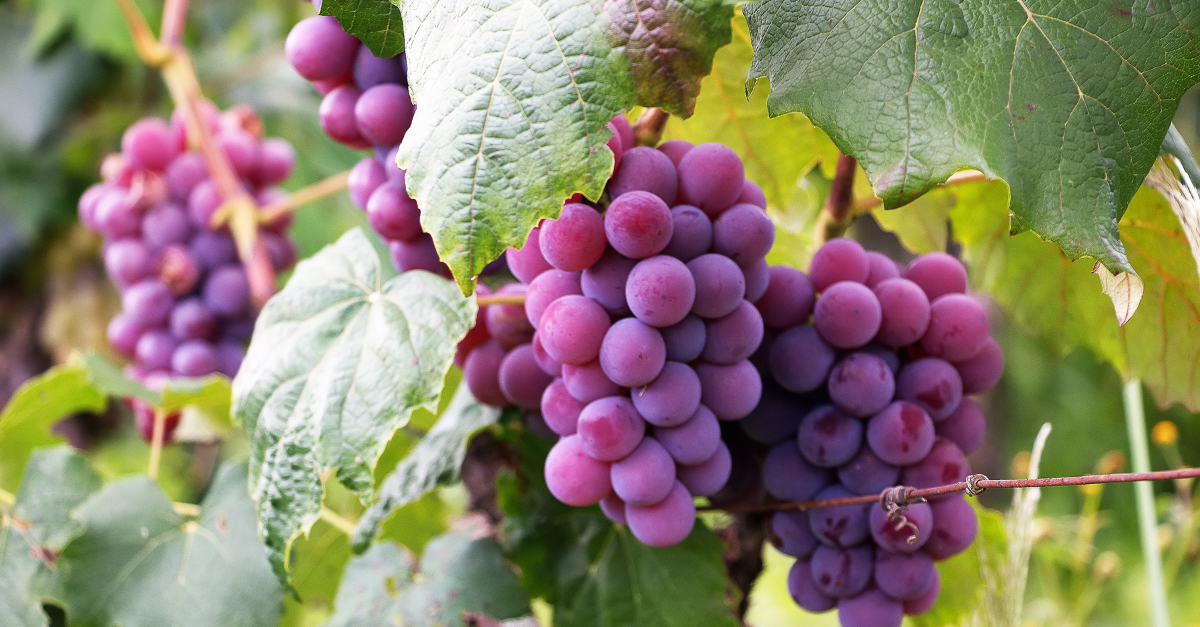
Europe is rich with diverse plant species and historic vineyards. Among these, the Pamid vine stands out as a hidden gem. Despite its significance in certain regions, it remains largely overlooked today. This vine offers a glimpse into Europe’s agricultural past and holds unique qualities that deserve recognition. Its story is intertwined with ancient traditions and lesser-known winemaking techniques. Exploring why the Pamid vine is one of Europe’s forgotten treasures reveals a tapestry of history, culture, and natural beauty that still influences local communities. It is time to shed light on this remarkable plant and appreciate its true worth.
The Historical Roots of the Pamid Vine
The origins of the Pamid vine trace back centuries in Europe. Historically, it thrived in regions where climate conditions favored its growth. These areas often remained isolated from mainstream viticulture centers, preserving traditional cultivation methods. The vine was valued for its adaptability and resilience in challenging environments. Over time, however, newer grape varieties gained popularity, pushing Pamid into obscurity.
This shift was driven by changing tastes and economic factors that favored high-yielding or more commercially viable grapes. Yet, the historical significance of the Pamid vine remains evident in old vineyards and local folklore. Ancient texts mention its use in traditional wines and culinary dishes that have been passed down through generations. Its decline does not diminish its importance but highlights how history can sometimes overlook valuable cultural assets.
Understanding the roots of the Pamid vine helps us appreciate its enduring legacy. It reminds us of a time when European farmers relied on diverse grape varieties suited to their specific environments. Preserving this heritage can offer insights into sustainable agriculture practices used centuries ago. Recognizing the historical importance of Pamid encourages efforts to conserve remaining vines and promote awareness.
Unique Characteristics of the Pamid Vine
The Pamid vine possesses distinctive features that set it apart from other grape varieties. Its small berries are known for their intense flavor profile. The grapes tend to be thick-skinned with a high sugar content, making them ideal for wine production. The vine itself is hardy and adaptable to various soil types, which contributed to its widespread use in traditional farming.
Another notable trait is its resistance to pests and diseases common in European vineyards. This resilience made it an attractive choice for farmers seeking low-maintenance crops. Additionally, the plant’s growth cycle aligns well with regional climates, enabling consistent yields over many seasons.
Elaborating further, these characteristics make Pamid an excellent candidate for organic farming practices today. Its natural resistance reduces reliance on chemical pesticides, aligning with modern sustainability goals. The berries’ rich flavor contributes to complex wines that can age beautifully or be enjoyed fresh in culinary applications.
Recognizing these traits underscores why Pamid was once favored by growers across Europe. Its robustness and unique taste profiles offer potential benefits for contemporary viticulture as well as cultural preservation efforts.
Cultural Significance and Traditional Uses
Throughout history, the Pamid vine has played a vital role in local cultures across parts of Europe. In many communities, it was more than just a crop; it became part of daily life and rituals. Traditional recipes often incorporated grapes from this variety, especially in regional wines and dishes.
In some areas, festivals celebrated the harvest of Pamid grapes, reinforcing community bonds and cultural identity. Stories passed down through generations speak of special occasions where these grapes were central to celebrations. Their significance extended beyond food—sometimes symbolizing fertility or prosperity within local folklore.
Elaborating on this point reveals how deeply intertwined the vine was with regional customs. For example, families might have preserved cuttings or shared recipes that highlighted its flavor uniquely suited for certain wines or desserts.
Today, many younger generations remain unaware of these traditions due to declining cultivation practices. Reviving interest in Pamid’s cultural heritage could foster pride among local communities while attracting tourism centered around authentic gastronomic experiences.
Understanding its cultural importance adds another layer to appreciating why conserving the Pamid vine matters beyond agriculture alone.
Challenges Facing the Preservation of Pamid Vine
Despite its historical value, preserving the Pamid vine faces numerous obstacles today. Modern agriculture favors high-yielding or globally popular grape varieties which overshadow traditional ones like Pamid. Economic pressures push farmers toward more profitable crops that require less labor or produce faster returns.
Furthermore, climate change presents environmental challenges that threaten old vineyards harboring rare varieties like Pamid. Unpredictable weather patterns can impair growth cycles or damage existing plants beyond recovery.
Elaborating further reveals issues such as limited knowledge transfer between generations about proper cultivation techniques or lack of government support for preserving heritage vines. Urbanization also encroaches upon rural land previously dedicated to traditional vineyards.
These challenges necessitate concerted efforts from conservation groups and local governments to protect remaining plants and promote sustainable cultivation practices rooted in tradition.
Addressing these hurdles is essential if we hope to maintain genetic diversity within European vineyards and keep alive the legacy embedded within the Pamid vine.
Opportunities for Revival and Appreciation
There are promising opportunities to revive interest in the Pamid vine across Europe today. Growing consumer demand for organic and authentic products aligns well with traditional grape varieties like Pamid that require minimal intervention.
Specialized wine producers are exploring niche markets focused on heritage grapes which could include Pamid-based wines characterized by their unique flavors and stories behind them. Educational initiatives can raise awareness about its cultural significance while encouraging young farmers to cultivate old varieties again.
Elaborating further involves developing targeted marketing campaigns emphasizing sustainability, history, and authenticity associated with Pamid wines or culinary uses like jams or sauces derived from its berries.
Engaging local communities through festivals or tasting events centered around this forgotten treasure can spark renewed enthusiasm for preservation efforts.
Ultimately, embracing these opportunities could lead to a renaissance for the Pamid vine—transforming it from a forgotten relic into a celebrated symbol of Europe’s diverse viticultural heritage.
A Final Reflection on Europe’s Hidden Treasure
The story of the Pamid vine embodies both Europe’s rich history and its ongoing struggle to preserve cultural diversity amid modernization. Its resilience over centuries testifies to its importance within local traditions but also highlights vulnerabilities faced today due to economic shifts and environmental threats. Recognizing this forgotten treasure reminds us that biodiversity includes not only wild species but also cultivated plants integral to our collective pasts.
Revitalizing interest requires collective effort—from policymakers supporting heritage conservation to consumers choosing authentic products rooted in tradition. Embracing such initiatives enriches our understanding of regional identities while promoting sustainable practices beneficial for future generations.
The journey toward rediscovering the value of the Pamid vine exemplifies broader themes: respect for history, commitment to sustainability,and appreciation for natural diversity that defines Europe’s landscape today. As awareness grows,new opportunities emerge for this once-forgotten treasure to thrive once more within Europe’s vibrant agricultural mosaic.
